Galileo
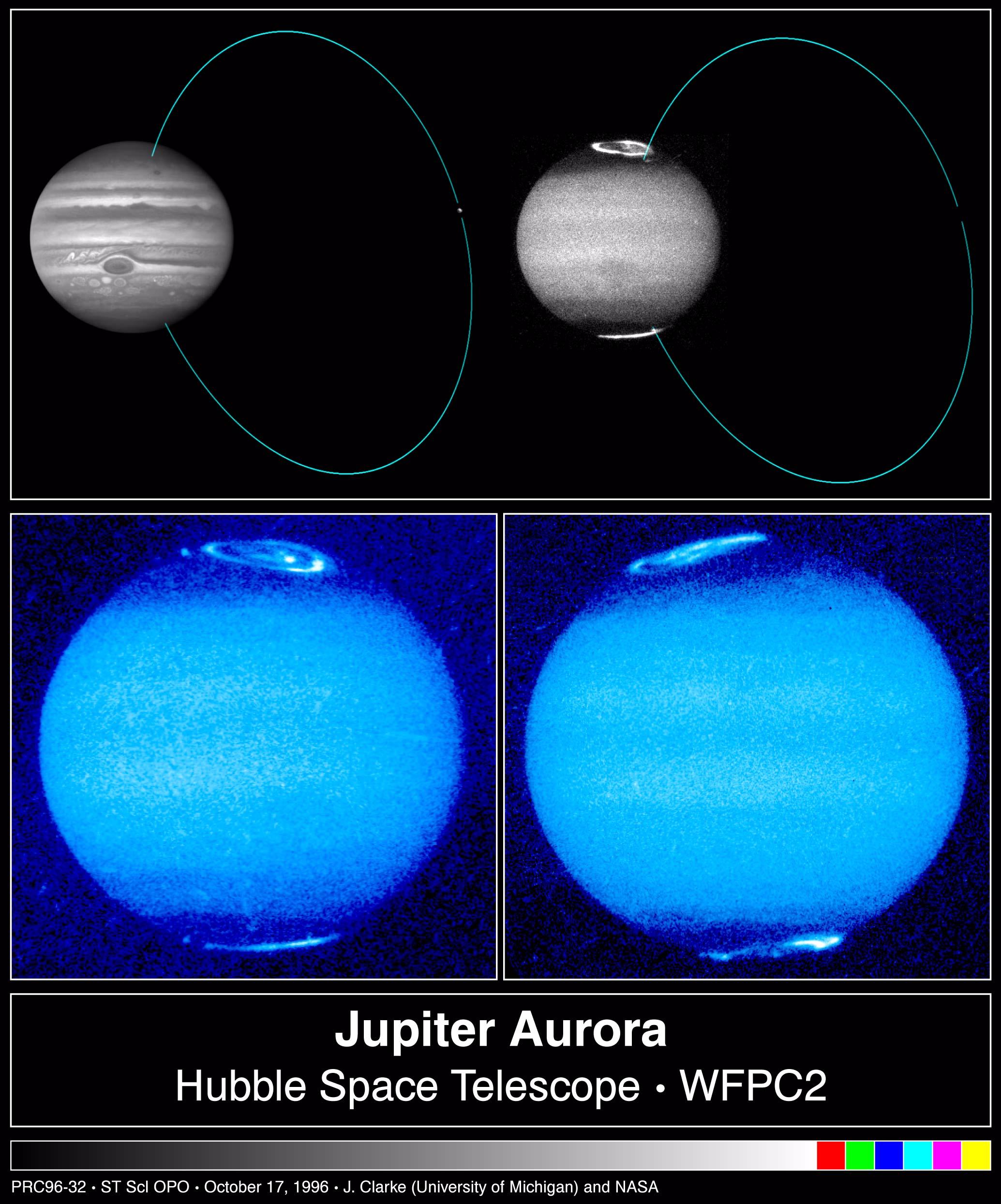
Galileo was NASA's first spacecraft to orbit Jupiter, arriving in 1995 after a 6-year journey that included flybys of Venus and Earth. It made groundbreaking discoveries about Jupiter and its moons, particularly providing the first evidence of subsurface liquid water on Europa.
Mission Overview
Galileo carried two major payloads: an orbiter to study Jupiter and its moons, and an atmospheric probe that plunged into Jupiter's atmosphere in December 1995. The mission was named after Galileo Galilei, who discovered Jupiter's four largest moons in 1610 with one of the first telescopes.
Jupiter Atmospheric Probe
The 339 kg atmospheric probe entered Jupiter's atmosphere at 48 km/s, deploying a parachute to slow down. It measured temperature, pressure, composition, and lightning before being crushed by pressures 23 times greater than Earth's ocean depths - all within 57 minutes of entry.
Discoveries at Jupiter's Moons
- Europa: First evidence of subsurface ocean - salt deposits on surface suggesting liquid water beneath ice shell
- Io: Observed over 80 active volcanoes, most volcanically active body in solar system
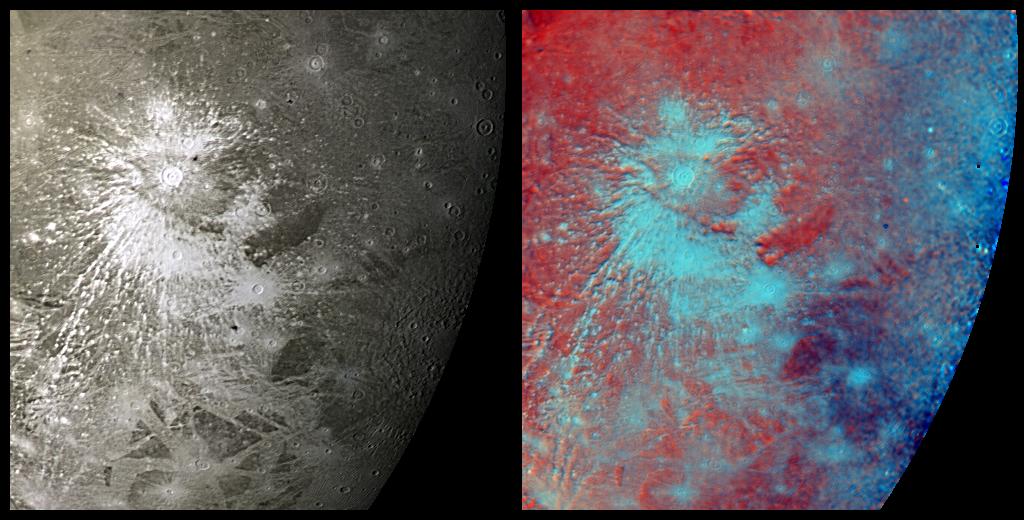
- Ganymede: Discovered own magnetic field - only moon with an intrinsic field
- Callisto: Ancient, heavily cratered surface, possible subsurface ocean
Comet Shoemaker-Levy 9
Galileo had a front-row seat for one of the most spectacular astronomical events of the century - the collision of Comet Shoemaker-Levy 9 with Jupiter in July 1994. The spacecraft recorded the impacts and their aftermath, providing unique data about Jupiter's atmosphere and the comet's composition.
Technical Challenges
Galileo faced a major challenge when its high-gain antenna failed to fully deploy. Mission engineers developed new data compression techniques and used the low-gain antenna to return most scientific data - though at much reduced rates. This antenna problem nearly ended the mission before it began science operations.
End of Mission
Running low on propellant and to avoid contamination of Europa, Galileo was deliberately crashed into Jupiter on September 21, 2003. The impact speed was approximately 50 km/s - similar to the atmospheric probe 8 years earlier.
Illustrations