Cassini-Huygens
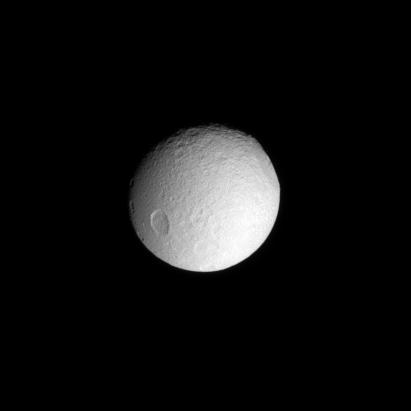
Cassini-Huygens was one of the most ambitious space missions ever launched - a NASA-ESA partnership that spent 13 years orbiting Saturn, studying the planet, its magnificent rings, and its diverse moons. The mission ended with Cassini diving into Saturn's atmosphere to protect the moons that might harbor life.
Mission Overview
Cassini was the fourth spacecraft to visit Saturn and the first to orbit the planet. Weighing 2,150 kg at launch with a 3-axis stabilized platform, it carried 12 instruments plus the Huygens probe. The mission cost approximately $3.9 billion and returned over 635 GB of data.
Huygens Probe
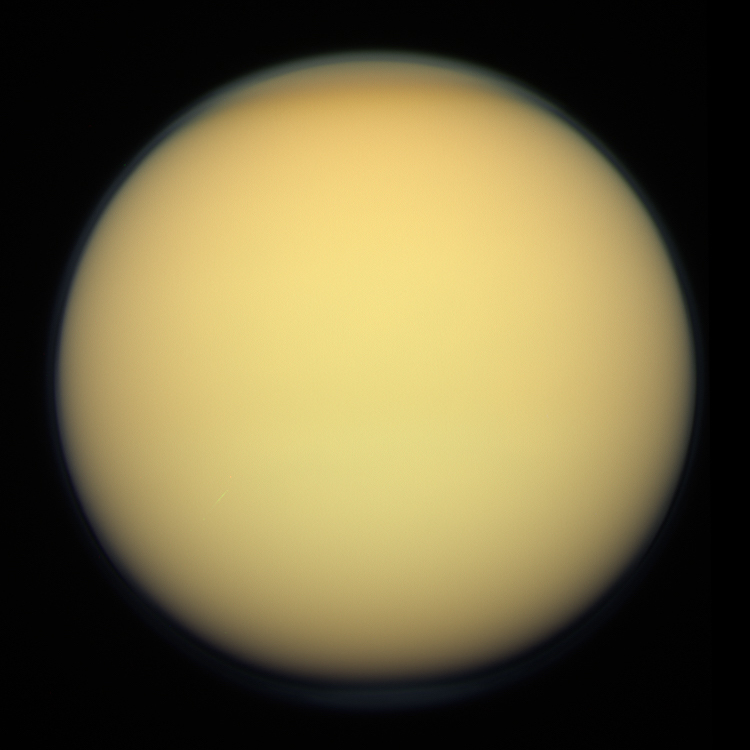
The European Space Agency's Huygens probe separated from Cassini on Christmas Day 2004 and entered Titan's atmosphere on January 14, 2005. It became the most distant landing in the solar system, transmitting data for 72 minutes from Titan's surface - a world with liquid methane lakes and a thick nitrogen atmosphere.
Discoveries
- Enceladus: Active cryovolcanoes shooting water ice 500 km into space - confirmed subsurface ocean
- Titan: Liquid methane lakes, rivers and rain cycle, prebiotic chemistry
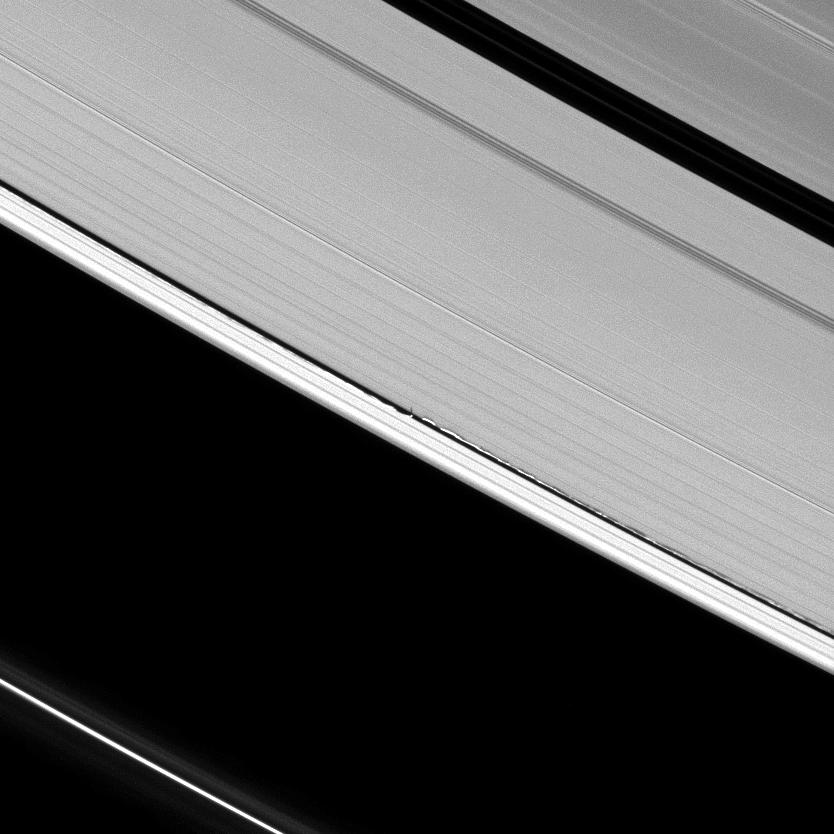
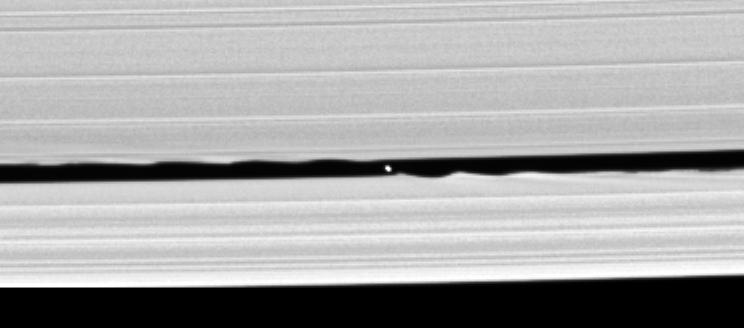
- Saturn's Rings: Unprecedented detail revealing ring structure and dynamics
- Hexagon Storm: Persistent hexagonal jet stream at Saturn's north pole
- Iapetus: Two-toned moon with striking equatorial ridge
- 40+ new moons discovered during the mission
Communication System
Cassini communicated with Earth using a 3-meter high-gain antenna and S-band transmitter. At Saturn's distance (1.2 billion km), one-way light time averaged 68-84 minutes. The spacecraft used a plutonium RTG for power in the outer solar system.
Grand Finale
Running low on propellant and with guidance to protect Titan and Enceladus from Earth contamination, mission planners directed Cassini to plunge into Saturn's atmosphere on September 15, 2017. The final transmission took 83 minutes to reach Earth - the last signals from a great explorer.
Illustrations